


Who We Are
The team at Individual & Family Support Network Inc. are dedicated professionals from culturally diverse backgrounds who share a passion for resolving homelessness and breaking down barriers to housing. IFSN embraces a collaborative, ethics-based team approach to accomplishing goals and serving our local community. The agency provides professional mental health services at no charge to interested participants. IFSN trains aspiring clinicians working towards licensure who, with this training, will move on to positively impact our community in many ways.
Point-In-Time Count
people were experiencing homelessness in the US on a single night in 2024. In 2023, 653,104
people were homeless in California in January 2024—28% of the entire U.S. total.
individuals were experiencing homelessness in January of 2024, 60% were residing in Santa Rosa
people received housing and support services from IFSN last year
How Did We Get Here?
Homelessness Dramatically Increases After a Disaster
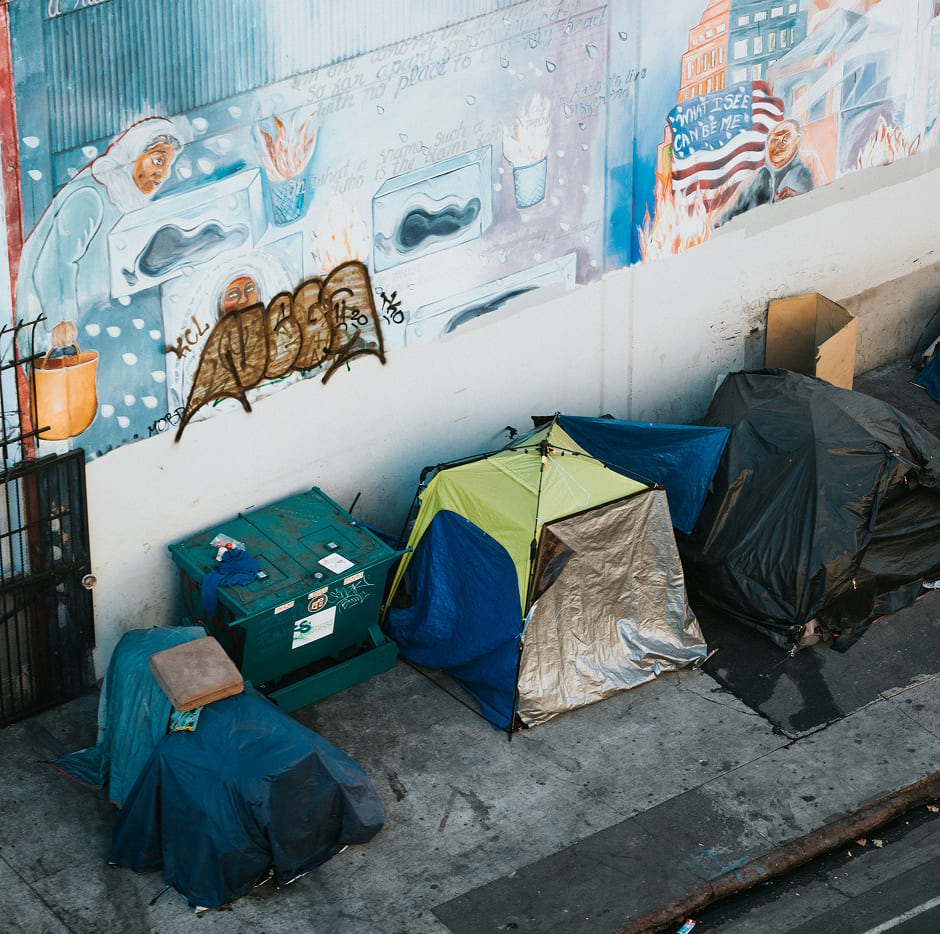
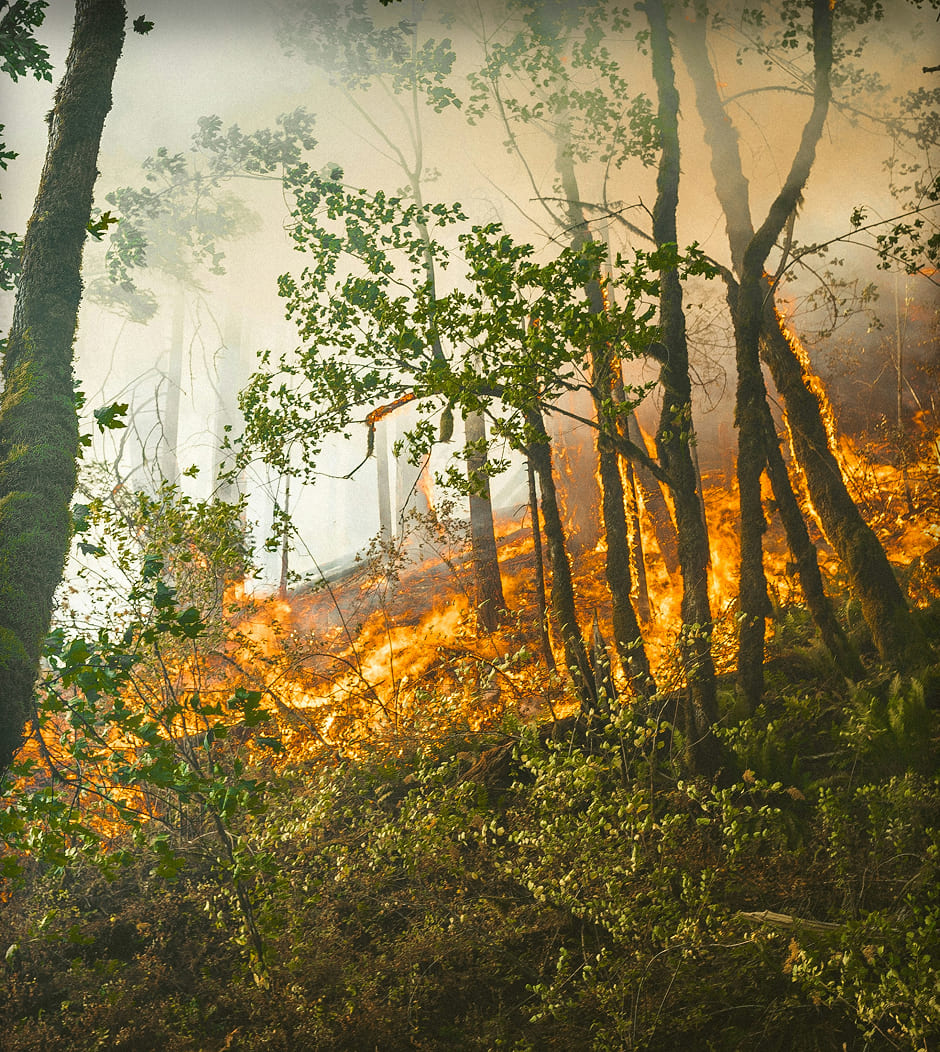
In Sonoma County, the 2017 Tubbs Fire significantly impacted the homeless population. The annual point-in-time count in 2018 showed a 6% increase, with 161 more homeless individuals, reaching a total of 2,996. The count revealed a mix of sheltered and unsheltered individuals, with 64% living on the streets and 36% in shelters or transitional housing.
- Overall Increase: The 2018 count marked the first increase in the homeless population since 2011.
- Fire’s Impact: A significant portion (5%) of those counted explicitly mentioned the October fires as a cause of their homelessness.
- Sheltered vs. Unsheltered: The count revealed a large number of people living unsheltered (64%) and a smaller percentage (36%) in shelters or transitional housing.
- Vulnerable Populations: The count also highlighted specific vulnerable groups, including 747 chronically homeless individuals (a 25% increase from the previous year), 34 unaccompanied homeless children, and 481 homeless youth aged 18-24.
- Family Homelessness: There were 104 homeless families with children counted, a slight decrease from 111 in 2017.
- Health Conditions: A large percentage (64%) of those counted reported having one or more health conditions, and 44% reported a disabling condition.