
Our Programs
Imagine not having a safe place to go home to or a front door to lock at night. Housing First, an evidence-based approach acknowledges people must have access to basic needs – a safe place to live, food, and water – before being able to pursue personal goals and purpose. Anyone experiencing homelessness should be connected to permanent housing as quickly as possible.

Permanent Housing Placement
We help individuals and families secure long-term, stable housing through case management, housing navigation, landlord partnerships, and financial assistance. We believe everyone deserves a safe place to call home—without needing to meet preconditions.

Transitional Housing

Rapid Re-Housing
Our Rapid Re-Housing program provides short-term rental assistance and services to quickly move people from homelessness into permanent housing. We also offer support to help households maintain housing after assistance ends—resulting in a 92% stability rate over six months.
Youth & Student Housing Support
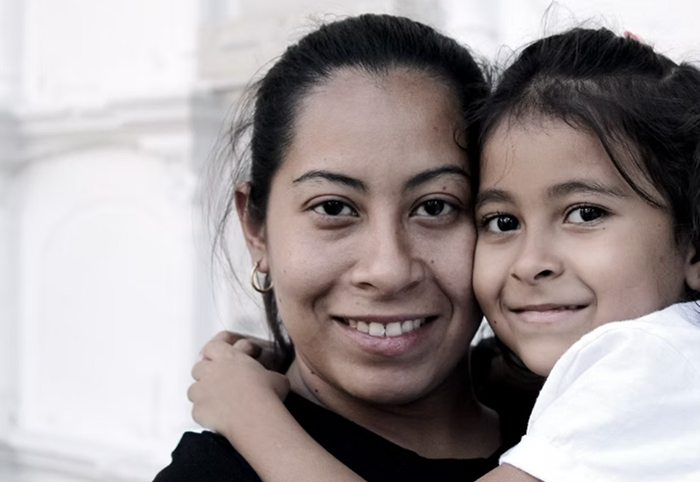
Youth facing homelessness, including students and young adults aging out of care, receive specialized support through our youth programs. This includes access to housing, life skills training, and individualized case management tailored to their unique challenges.
Family & Parenting Support
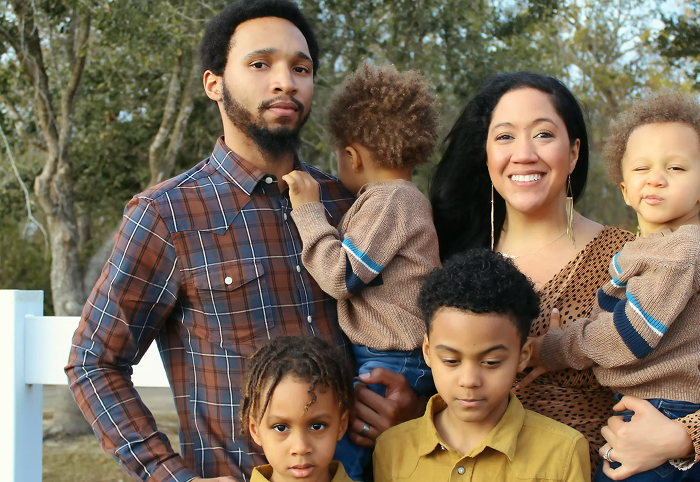
We offer programs to help families in crisis rebuild and thrive. Services may include parenting support for those reunifying with children, support for formerly incarcerated parents, and skill-building for caregivers of children with special needs or medical complexities.

Case Management & Advocacy
Each person who comes through our doors is paired with a compassionate case manager to help identify goals, access services, and build a path toward self-sufficiency. We also provide advocacy to ensure clients can navigate housing systems, health care, and benefits.

Mental Health & Life Skills Services
Stability includes emotional and psychological well-being. We connect clients with mental health services, life skills training, and personal development support to empower long-term independence.

Emergency & Disaster Response Partnerships
We work with local agencies, including emergency management teams, to assist unhoused individuals and vulnerable families during natural disasters like fires and floods. Our services include emergency housing access, preparedness resources, and recovery assistance.
Resource Navigation & Referrals
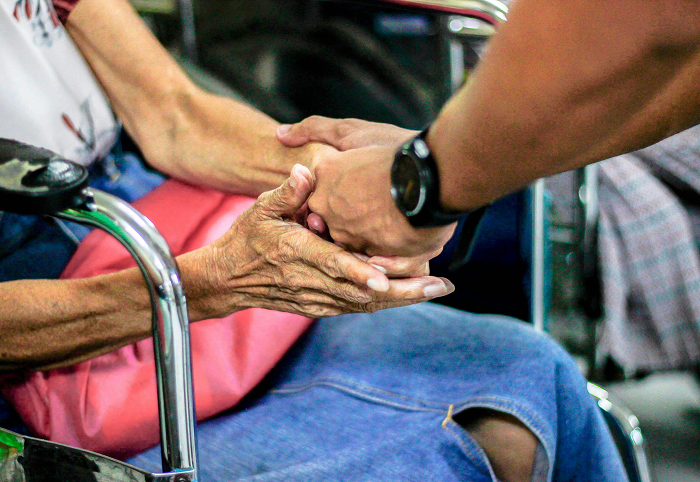
Our team helps clients access a broad network of community resources—whether they need transportation, employment support, healthcare, or food assistance. We serve as a hub for referrals and a trusted partner in each person’s journey forward.
people were experiencing homelessness in the U.S. on a single night in 2023
people were homeless in California in January 2024—28% of the entire U.S. total
individuals are experiencing homelessness in Sonoma County
people received housing and support services from IFSN last year
How Did We Get Here?
Homelessness Dramatically Increases After a Disaster
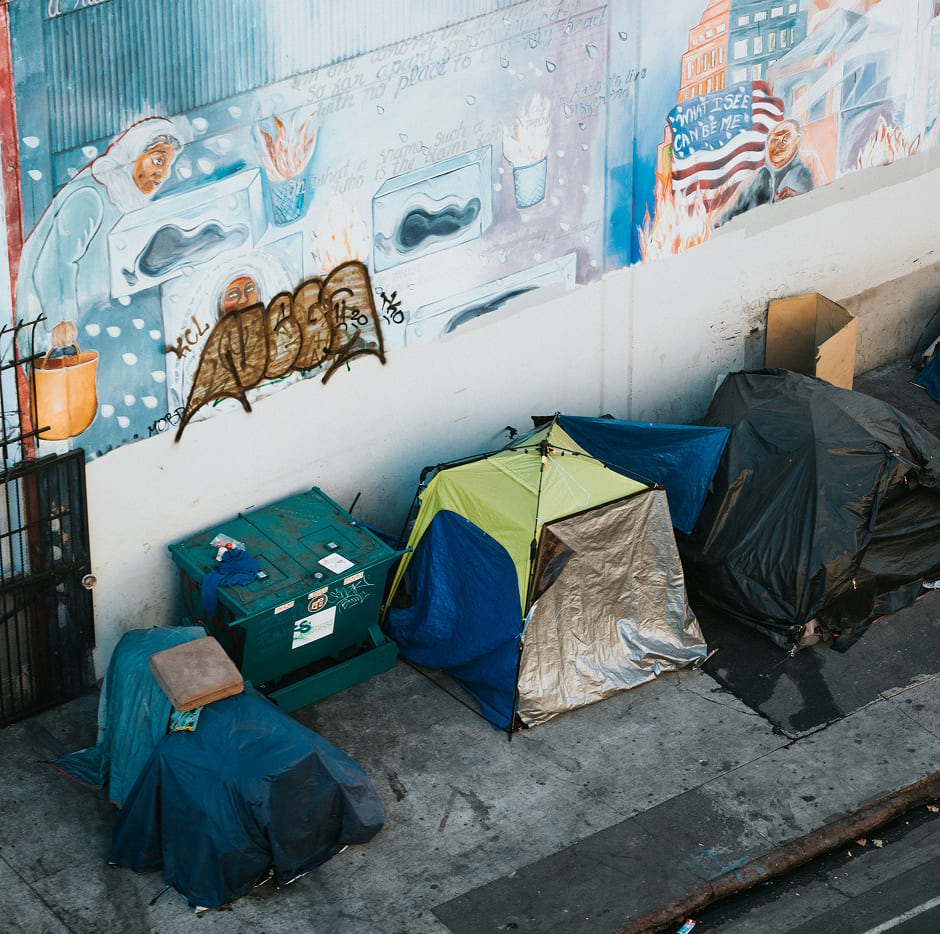
In Sonoma County, the 2017 Tubbs Fire significantly impacted the homeless population. The annual point-in-time count in 2018 showed a 6% increase, with 161 more homeless individuals, reaching a total of 2,996. The count revealed a mix of sheltered and unsheltered individuals, with 64% living on the streets and 36% in shelters or transitional housing.

- Overall Increase: The 2018 count marked the first increase in the homeless population since 2011.
- Fire’s Impact: A significant portion (5%) of those counted explicitly mentioned the October fires as a cause of their homelessness.
- Sheltered vs. Unsheltered: The count revealed a large number of people living unsheltered (64%) and a smaller percentage (36%) in shelters or transitional housing.
- Vulnerable Populations: The count also highlighted specific vulnerable groups, including 747 chronically homeless individuals (a 25% increase from the previous year), 34 unaccompanied homeless children, and 481 homeless youth aged 18-24.
- Family Homelessness: There were 104 homeless families with children counted, a slight decrease from 111 in 2017.
- Health Conditions: A large percentage (64%) of those counted reported having one or more health conditions, and 44% reported a disabling condition.